What is the EU MAP?
The EU Multi-Actor Platform (EU MAP) is a Europe-wide stakeholder network established within the GI SMART project to foster participatory dialogue and knowledge exchange on geographical indications (GIs) and their contribution to sustainable development.
Coordinated by AREPO, the EU MAP brings together representatives of GI producer groups, consumers, control bodies, researchers, and policy actors at EU, national and regional level. It operates as an open, multi-actor network designed to accompany the research conducted by the GI SMART consortium from start to finish, engaging practitioners and decision-makers at every stage, from the validation of analytical frameworks to the discussion of policy recommendations.
The EU MAP sits at the top of a structured, two-level Community Platform: nine national MAPs, each rooted in its own country’s GI landscape, feed into and connect through the EU MAP, creating a genuinely cross-European community of practice.
Why a European Multi-Actor Platform?
Geographical indications are deeply local by nature, but the challenges they face are shared across borders. Questions around sustainability transitions, consumer awareness, regulatory frameworks, enforcement, and the recognition of GI producer groups are common to wine producers in Portugal, cheese makers in Greece, and mountain producers across the Alps.
The EU MAP was created precisely to bridge these national realities. It offers a shared European space where:
• Knowledge circulates freely between producers, researchers, policy makers and civil society actors across the EU;
• Research is co-constructed, participants are not merely consulted but actively contribute to shaping the methodology and validating the results of the GI SMART project;
• Concrete challenges are addressed collectively, drawing on the diversity of experiences and contexts represented within the network.
Who is the EU MAP for?
The EU MAP is open to any stakeholder with an interest in geographical indications and their role in sustainable food systems, including:
• GI producer groups and individual producers
• National and regional authorities responsible for GI policy and certification
• Control bodies and certification organisations
• EU institutions and European associations active in the GI sector
• Researchers and academics working on GIs, sustainability and rural development
• Consumer organisations and civil society actors
A special attention is paid to ensuring representation from regions with geographical and demographic challenges (mountain areas, remote territories), as well as from countries with newly established GI schemes.
What do participants gain?
Joining the EU MAP means becoming part of an active European community dedicated to the future of geographical indications. Members benefit from:
• Access to GI SMART research as it develops : results, datasets, policy analyses and good practice libraries are shared with the network ahead of broader publication;
• Opportunities to shape the research agenda : participants are invited to provide feedback on the project’s methodology and validate its findings, ensuring results are grounded in real-world experience;
• Peer exchange across borders : the EU MAP creates a unique space for GI stakeholders from across Europe to share practices, compare experiences, and build lasting professional connections;
• Participation in exclusive events : members are invited to dedicated EU MAP meetings, workshops and webinars organised throughout the project (including thematic sessions co-organised with EFOW and oriGIn);
• A voice in policy discussions : the EU MAP feeds directly into the policy recommendations developed by GI SMART, which will be presented to EU institutions and disseminated widely.
By registering to the EU MAP, you also automatically subscribe to the EU MAP newsletter, keeping you informed of upcoming events, new publications, and opportunities to engage with the network.
Where does the EU MAP stand today?
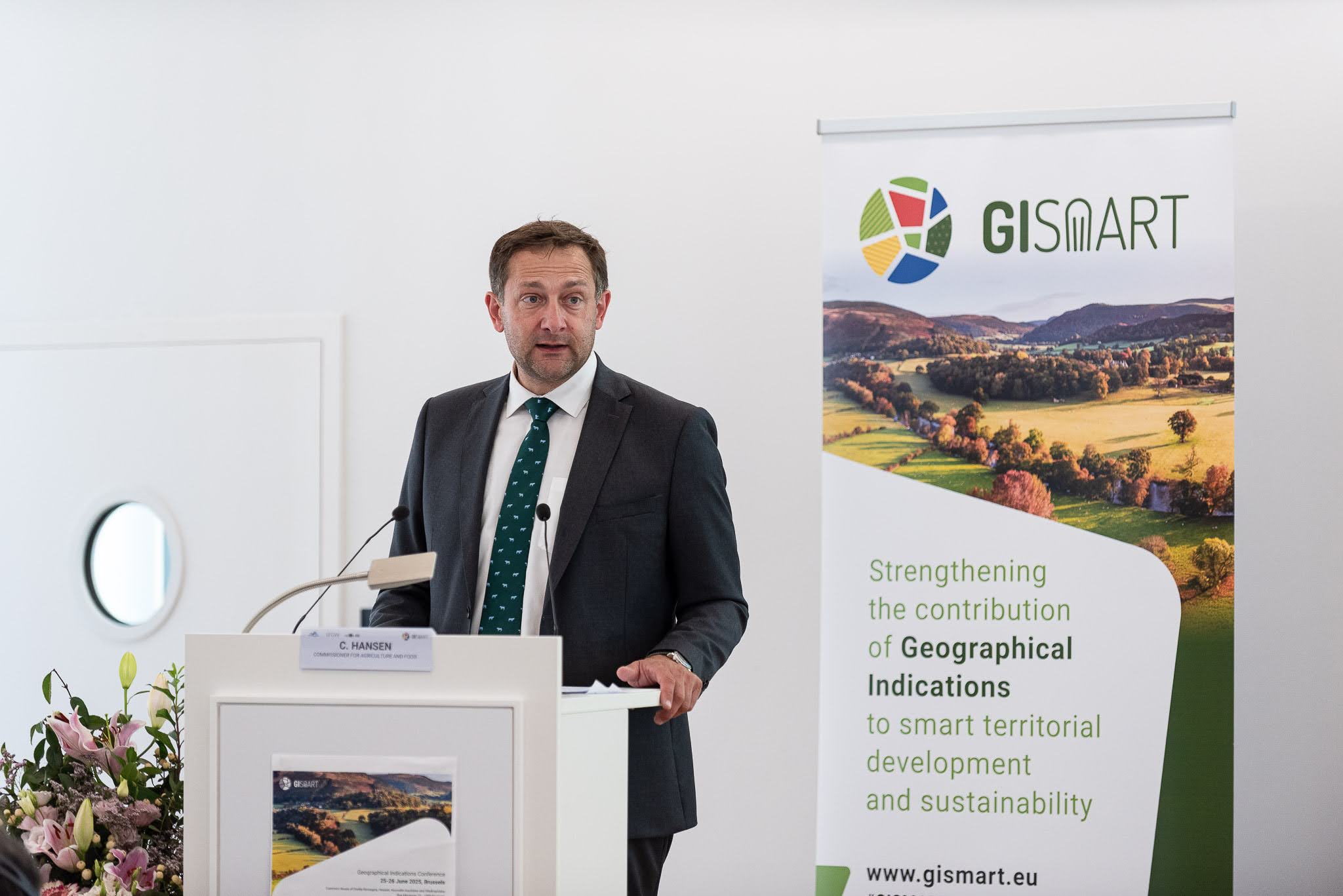
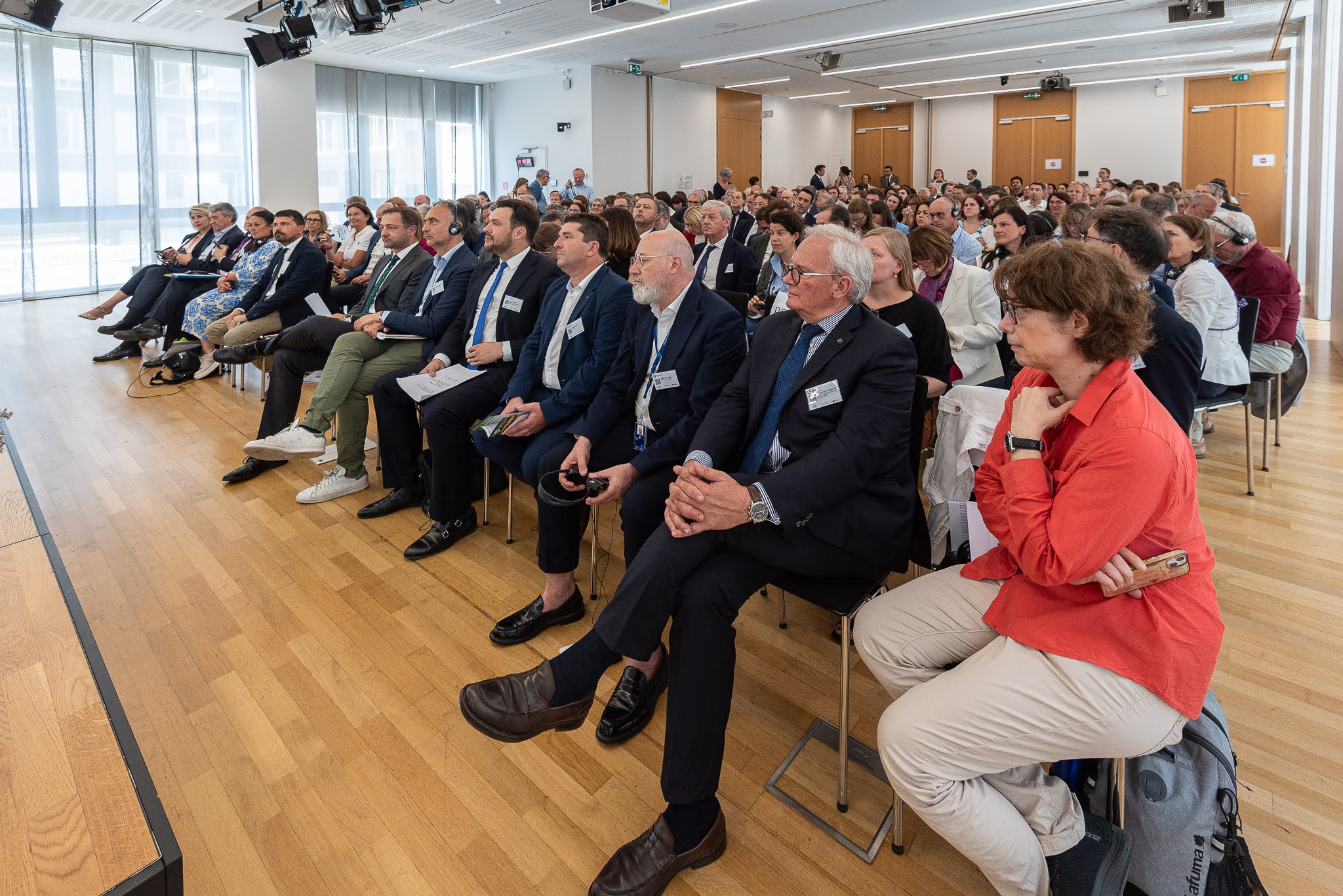
The EU MAP was officially launched in Brussels in June 2025, with an opening address by the GI SMART project coordinator and EU Commissioner for Agriculture Christophe Hansen, who underscored the importance of networking and knowledge exchange for the future of the GI sector. The event brought together approximately 247 participants from 24 countries, a powerful signal of the appetite for a dedicated European forum on GIs.
Since its launch, the EU MAP has already held four meetings, and a fifth meeting is scheduled for October 2026, focused on the theme “Understanding and measuring GI sustainability. First webinar of the GI SMART Regional Exchange Series “.
Whether you are a GI producer, a policy maker, a researcher, or a representative of a GI association, the EU MAP welcomes your participation. By joining, you become part of a cross-European community working together to strengthen the role of geographical indications in building more sustainable, fair and resilient food systems.
Relive the EU MAP meetings
Fourth meeting – Brussels. 25 June 2026
Related publications
#EU Map
The first webinar of the GI SMART Regional Exchange Series brought together researchers and regional stakeholders to explore approaches to assessing the sustainability of Geographical Indications (GIs) and discuss how the results can help producer groups and public authorities identify areas for improvement and strengthen the contribution of GIs to sustainable territorial development.
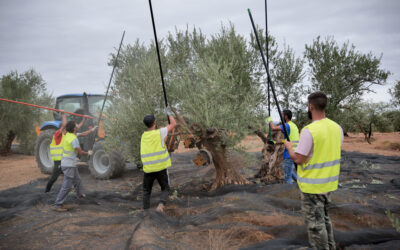
How can regions better understand the sustainability of their Geographical Indications and use this knowledge to support producers and territories?
This webinar opens the GI SMART Regional Exchange Series, a series of three webinars designed to connect the project’s research and tools with the needs of regional actors and GI producer groups.
It takes place on Sunday 14 June 2026 in the town of Saint-Marcellin, showcasing the region’s iconic PGI and PDO products.
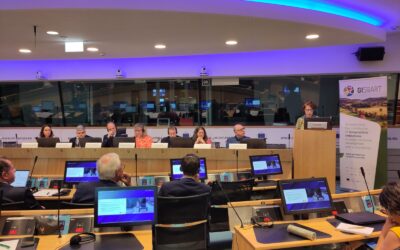
The implementation of the Regulation (EU) 2024/1143 on Geographical Indications (GIs) opens a new chapter for GI producer groups across Europe. To discuss the opportunities and challenges arising from this evolving framework, AREPO, EFOW, INRAE and oriGIn EU convened policymakers, national authorities, researchers and GI producers in Brussels for a dedicated workshop hosted by the European Committee of the Regions (CoR) and held within the GI SMART project.